
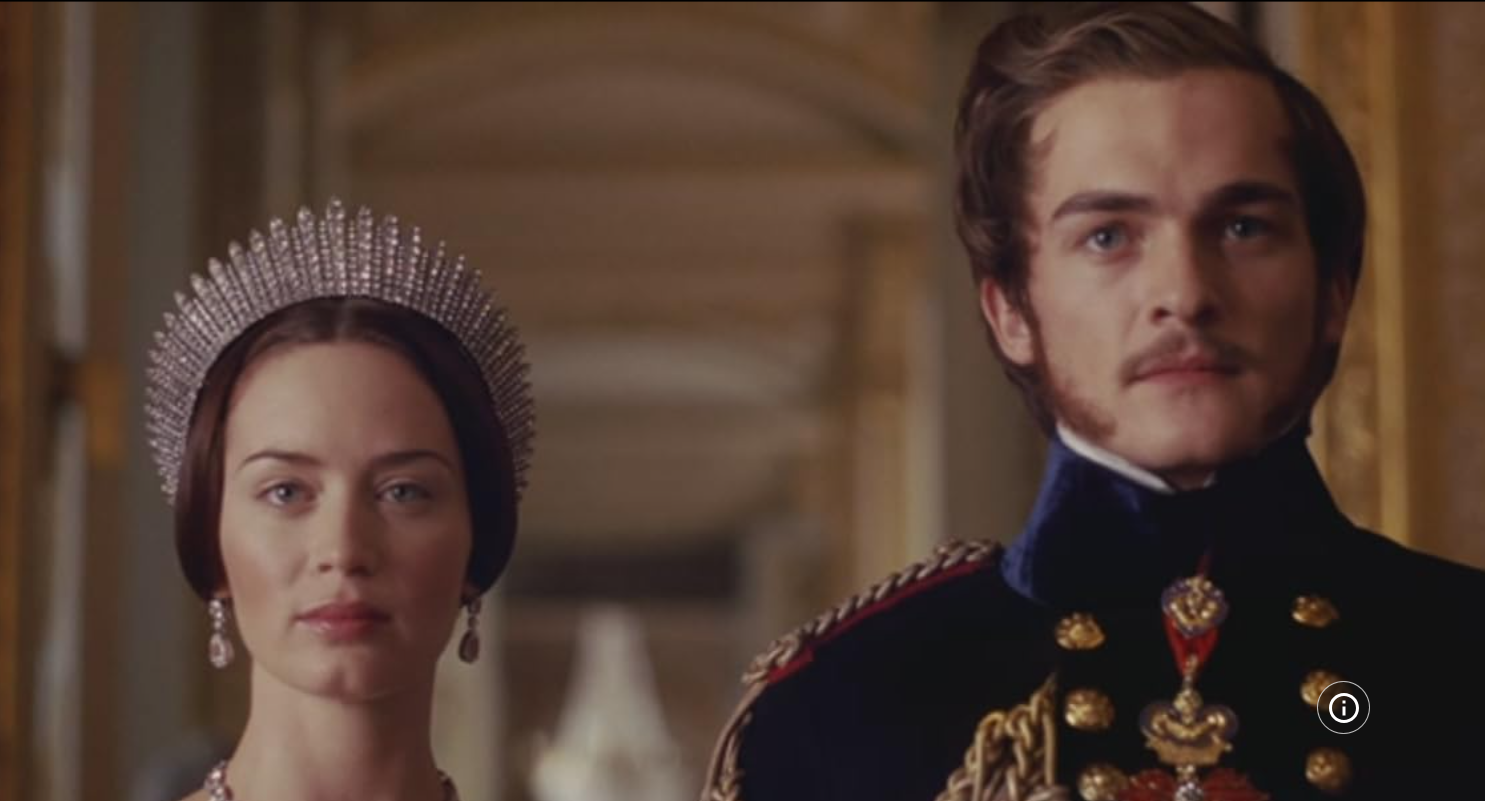
• Emily Blunt delivers a layered, human portrait of Queen Victoria.
• Julian Fellowes brings aristocratic drama lovers a familiar storytelling tone.
• The film blends romance, power, and personal growth with quiet elegance.
• Lavish costumes and strong performances elevate this overlooked historical drama.
Audiences have long been drawn to stories of royalty, power, and palace intrigue. The massive success of The Crown proves that fascination with the British monarchy shows no signs of fading. Yet, not every royal drama has received the spotlight it deserves. The Young Victoria stands as one of those quietly impressive films that slipped past mainstream attention, despite having all the right credentials.
Directed by Jean-Marc Vallée, the film stars Emily Blunt as Queen Victoria during her early years on the throne. Produced by Martin Scorsese and written by Julian Fellowes, the creative force behind Downton Abbey and Gosford Park, the film brings together an impressive mix of talent. The supporting cast includes Rupert Friend as Prince Albert, alongside Paul Bettany and Mark Strong, grounding the story in strong, restrained performances.
Rather than focusing solely on ceremony and politics, The Young Victoria zooms in on the personal. It follows a young monarch navigating isolation, manipulation, and responsibility, while also discovering love on her own terms. The romance between Victoria and Prince Albert forms the emotional core of the film, portrayed with sincerity rather than spectacle. Fans of classic period dramas will recognise Fellowes’ signature approach, subtle tension, intimate dialogue, and an emphasis on character over plot twists.
While the film struggled commercially upon release, critics were far kinder. It holds a respectable 75 percent score on Rotten Tomatoes, with Emily Blunt receiving widespread praise for her nuanced portrayal. Her performance captures Victoria’s authority without stripping away her warmth or vulnerability. The film also earned an Academy Award for costume design, thanks to Sandy Powell’s meticulous work, which adds depth and authenticity to every frame.
One of the film’s most compelling aspects is how it reshapes perceptions of Queen Victoria. Often remembered as stern and distant, she is presented here as spirited, curious, and emotionally expressive. Emily Blunt has spoken about historical anecdotes that reveal Victoria’s lively personality, from laughing freely at court dinners to quietly rebelling against rigid expectations. These moments humanise a figure often reduced to formality.
Blunt was particularly drawn to Victoria’s upbringing, marked by strict control and social isolation. That early confinement shaped her independence and resilience, traits that the film explores with care. Her relationship with Prince Albert is shown as deeply affectionate and mutually supportive, a rarity for royal marriages of the time. Their bond adds emotional weight to the story, balancing duty with genuine connection.
For viewers who enjoy romance woven into historical storytelling, The Young Victoria is an easy recommendation. It may be underseen, but it remains a beautifully crafted period drama that rewards patience and attention!