
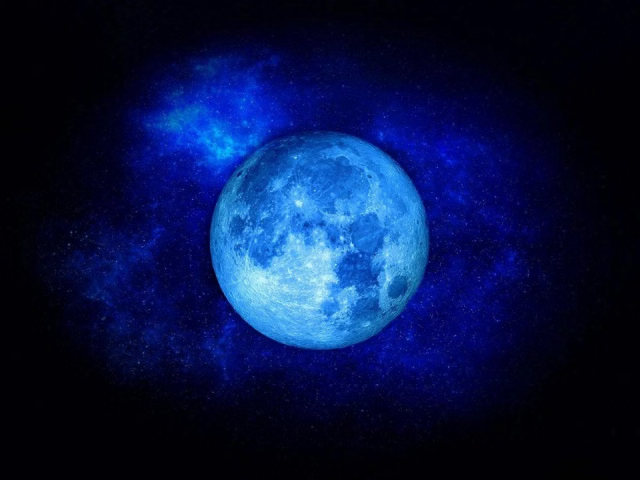
An unusual cosmic phenomenon prepares to illuminate the night sky across the Emirates this weekend.
- The night sky prepares to host an unusual cosmic spectacle.
- Peak illumination arrives in the early hours of Sunday morning.
- The cosmic name highlights historical rarity instead of actual color.
- The unique tracking cycle repeats only seven times every two decades.
A slow evening drive out toward the quiet dunes of Al Qudra lakes reveals a fascinating shift in how modern urbanites spend their weekends. While after-dark entertainment traditionally centered on high-end lounges and indoor theater, a massive lifestyle movement shows that residents are looking upward for natural spectacle. This growing desire to connect with the cosmos has turned the upcoming arrival of a rare celestial event into the absolute centerpiece of weekend planning for local stargazing groups.
Commonly known as a Blue Moon, this unusual lunar phenomenon is preparing to captivate observers across the globe on May 31. Astronomers report that our cosmic neighbor will begin its breathtaking transformation on the night of May 30, building anticipation before reaching peak illumination at precisely 3:45 AM on Sunday morning. It is a smart, captivating reason to pack a picnic blanket, pack up your camera gear, and escape the heavy light pollution of the city center for a night under the stars.
Finding the absolute perfect vantage point is essential for capturing this grand cosmic dance. Experts suggest that the most striking windows for a dedicated Blue Moon viewing will occur shortly before sunrise, right as the glowing orb hangs low on the western horizon. Despite its vibrant historical name, the moon will not actually change its physical shade to a deep sapphire hue. Instead, the phrase simply acts as a cultural nod to the sheer scarcity of the event, tracking a unique lunar cycle that repeats roughly seven times every 19 years.
The science behind these unique astronomical phenomena distinguishes between two separate cosmic occurrences. There is the common monthly variant, which marks the second full moon inside a single calendar month, and the seasonal variety, which represents the third full moon in a single season containing four. Following this spectacular May showing, skywatchers will have to wait until late December 2028 to witness the next official occurrence. This long gap makes this weekend the ultimate moment to plan a late-night rooftop gathering with friends.
Choosing to swap standard indoor entertainment for an intentional night of digital detours and telescope observations is a bold lifestyle choice for the modern professional. This spectacular cosmic display brings a fresh, magical energy to our desert landscapes, reminding us of the beautiful rhythms rolling above our busy highways. Clear skies are expected across the country, making complex viewing equipment entirely optional for casual fans. Gather your favorite crowd, set your morning alarms, and look to the western sky.
The upcoming lunar spectacle brings a fresh energy to our weekend nighttime routines. It recaps a timeless fascination with space and natural beauty that fits your sophisticated lifestyle standards. Check your camera battery levels tonight to ensure you capture every frame!