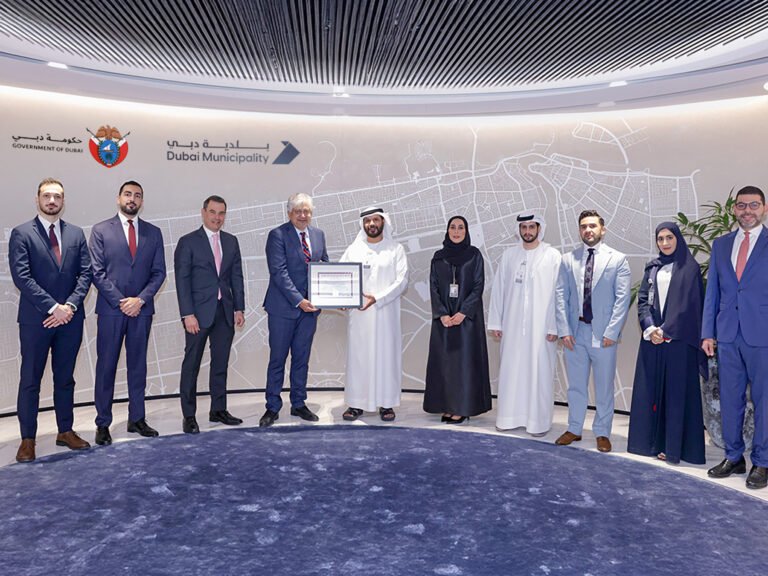
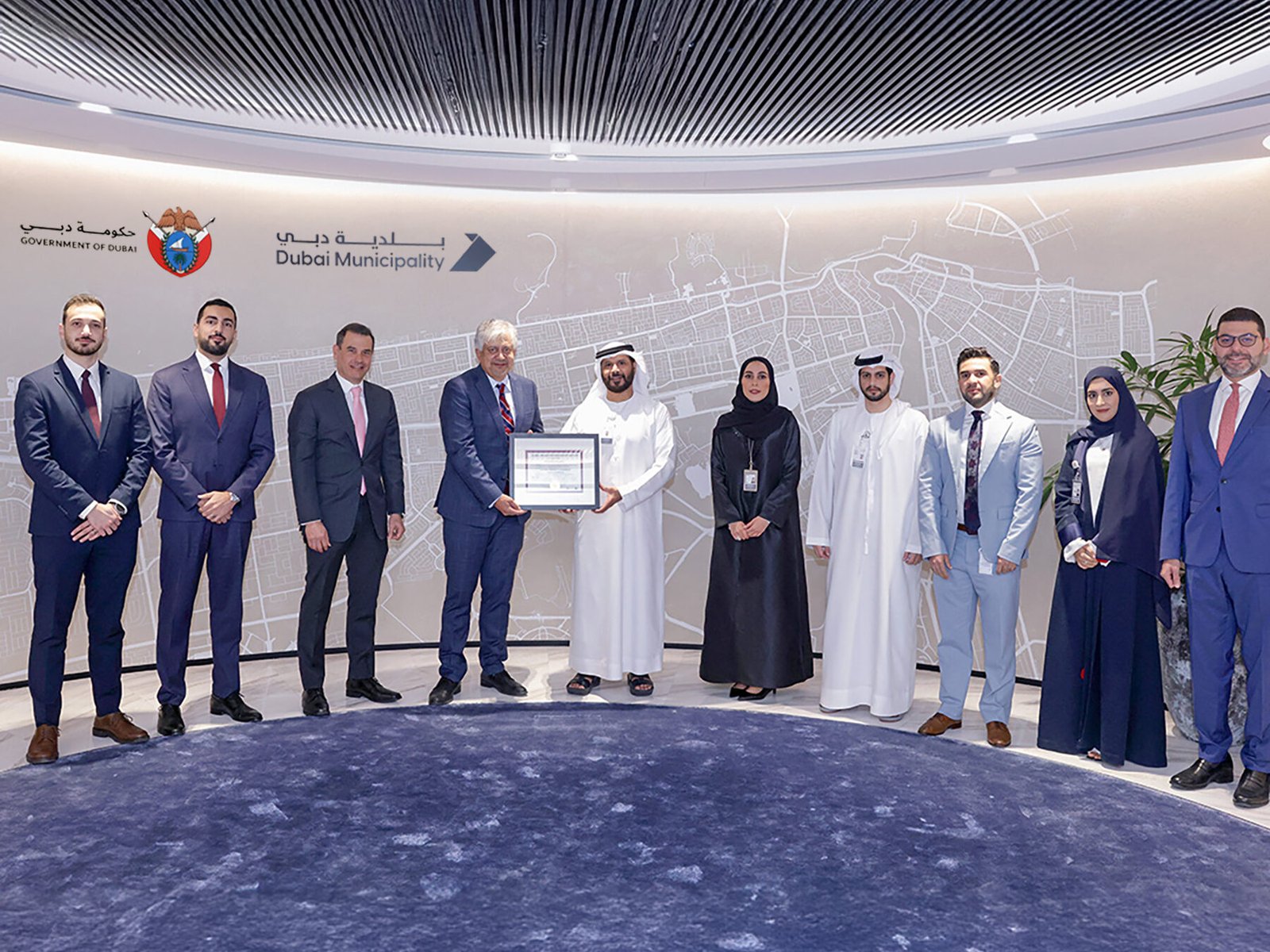
Dubai Municipality earns the highest international foresight accreditation, using emerging signals to prepare for future challenges.
- Dubai Municipality becomes the first municipality worldwide to achieve Level 4 foresight accreditation.
- The assessment awarded a perfect score across all four pillars.
- Its foresight database includes 556 entries tracking change across five domains.
- Alternative scenarios to 2040 help teams test decisions before implementation.
A city’s future is shaped by decisions made long before residents notice a change in their daily lives. A new park, a redesigned public space or a smoother municipal service can begin with a question about what people may need years from now. Dubai foresight has reached a new milestone, with Dubai Municipality becoming the world’s first municipality to earn Level 4 International Foresight Accreditation. The focus is on preparing today for tomorrow’s challenges.
Planning for a city of Dubai’s scale means considering changes that may not yet be obvious, from shifts in technology and the economy to environmental pressures and changing social needs. Dubai Municipality’s new accreditation recognises a system that brings these possibilities into planning, governance and innovation. It is a move beyond one-off studies.
The municipality scored 10 out of 10 across all four pillars of the Global Innovation Management Institute’s S4 Future Foresight Maturity Model. These cover scoping and designing, scanning and screening, scenarios and foresight, and strategy and innovation. The achievement follows its Level 3 accreditation in November 2025, reached less than a year earlier.
A small change can offer an early clue about a much bigger shift. Dubai Municipality’s foresight knowledge base contains 556 entries across social, technological, economic, environmental and political domains. This includes 396 weak signals, 114 trends, 36 megatrends and 10 wild cards, alongside 33 documented drivers of change. The numbers help teams organise what might otherwise look like disconnected pieces of information.
For residents, the value of this work lies in how it can inform services and long-term city planning. The municipality uses continuous horizon scanning to assess emerging developments, while its Future Observatory and Future Shaper network support the wider effort. Alternative scenarios extending to 2040 are tested using system-dynamics modelling in Vensim. Decisions can be examined before resources are committed.
A family planning where to live, a commuter relying on public transport or a business choosing where to invest all depend on a city’s ability to adapt. Dubai Municipality’s approach is intended to help teams prepare for different possible futures rather than rely on a single forecast. That matters when conditions change.
The accreditation recognises a wider shift towards anticipatory governance, where public institutions identify potential challenges early and test their options before acting. It does not predict exactly what Dubai will look like in 2040. Instead, it gives planners a structured way to prepare for more than one outcome.