
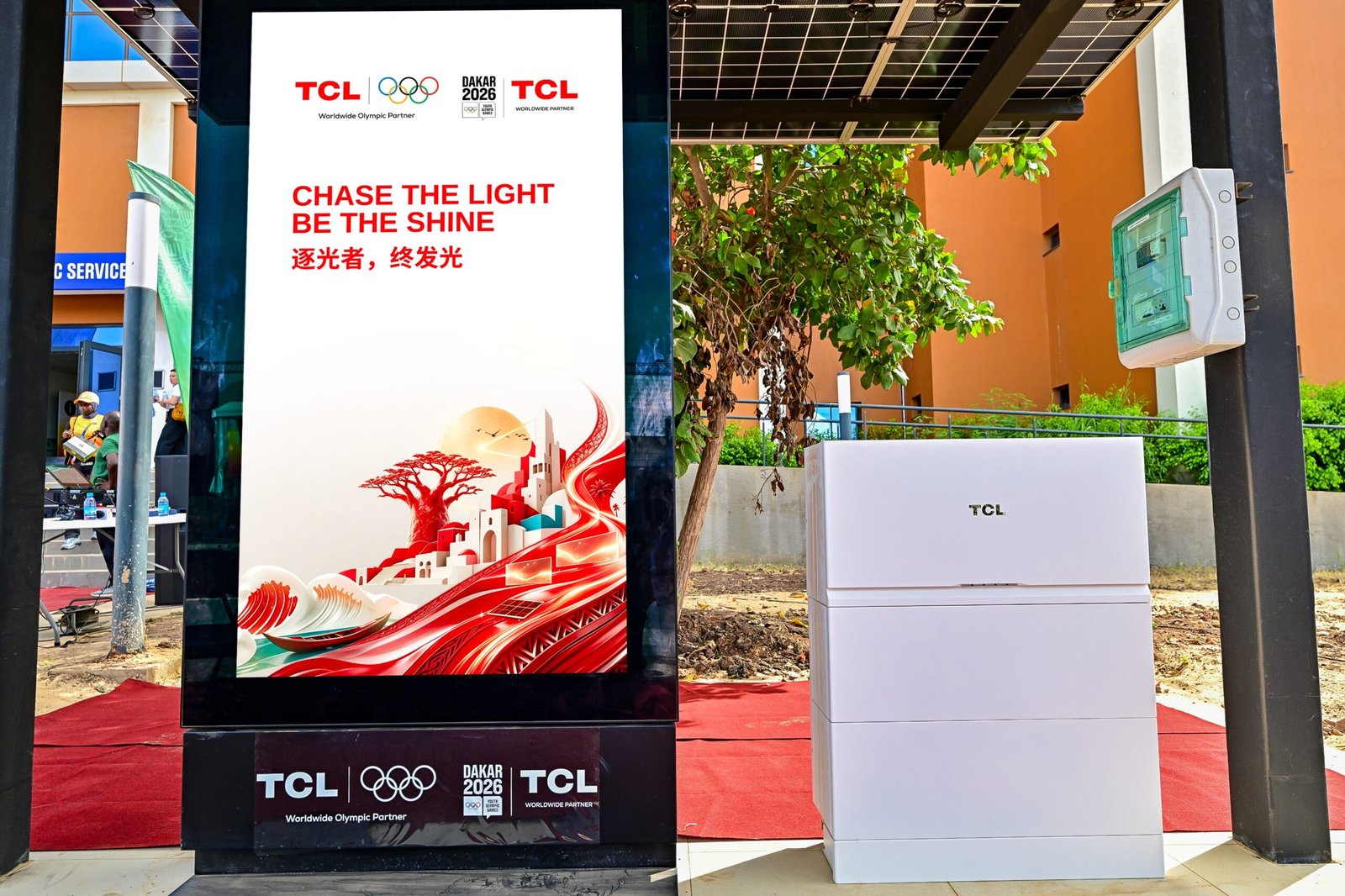
TCL’s campus donation connects energy-saving screen technology with youth, creativity and a lasting sporting legacy.
- TCL’s solar-powered screen will guide students across UAM’s campus during Dakar 2026.
- At 4,000 nits, the 75-inch display stays visible outdoors in sunlight.
- Field Sequential Color technology reduces power use without sacrificing brightness.
- TCLArt’s Yeesal partnership backs 43 Senegalese urban artists, many under 35.
A sporting event leaves behind more than medals and memorable finishes. Sometimes, its most useful legacy is found in the everyday places people return to long after the crowds have gone. At Université Amadou Mahtar Mbow in Diamniadio, a new solar-powered display is bringing that idea into focus. Small details matter. TCL has donated the system to the campus serving as the Youth Olympic Village during Dakar 2026.
For students and visiting athletes, a campus information screen needs to do a simple job well: stay readable, even under a strong afternoon sun. That is where TCL’s 75-inch outdoor display comes in. Powered by solar energy, it delivers brightness of 4,000 nits while consuming approximately 300 watts, around half the power of comparable displays. Brightness matters here. It means information can remain clear without relying on the energy demands of conventional screens.
A screen’s picture quality is only part of the story. The technology behind this installation is TCL CSOT’s Field Sequential Color system, which creates colour by switching red, green and blue light in sequence rather than using conventional colour filters. The approach improves light utilisation, with transmittance above 15%. The numbers are practical. The aim is to make high-brightness digital displays more energy-conscious in everyday public settings.
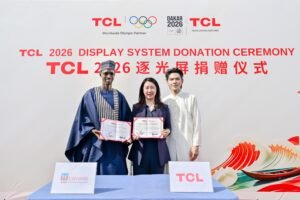
Dakar 2026 has been about more than competition. The Youth Olympic Games, running across Senegal from 31 October to 13 November, have placed youth participation, education and local culture alongside sport. TCL’s donation fits into that wider picture, giving the UAM campus an information hub while thousands of young people and visitors come together around the Games.
The story also reaches beyond the screen. Through TCLArt, the company is supporting Yeesal, an urban art initiative bringing large-scale murals by Senegalese artists into public spaces. The project involves 43 artists, particularly creators under 35, with works inspired by African athletes, cultural diversity and the aspirations of young people. The walls tell stories. They give local creativity a place in the public eye.
TCL’s connection with the region is not new. The company entered the African market in 2004, and its televisions and home appliances are now sold in nearly 50 countries across the continent. Its wider footprint includes six sales subsidiaries, three regional business units and a brand experience store in Johannesburg. TCL has roots here. The UAM donation and Yeesal partnership add a community-facing dimension to that presence.
A useful campus screen may seem like a modest contribution beside an international sporting event. Yet it brings together practical technology, local artists and a generation gathering in Senegal. For a closer look at TCL’s display innovations and regional work, explore the brand’s wider technology offering.