
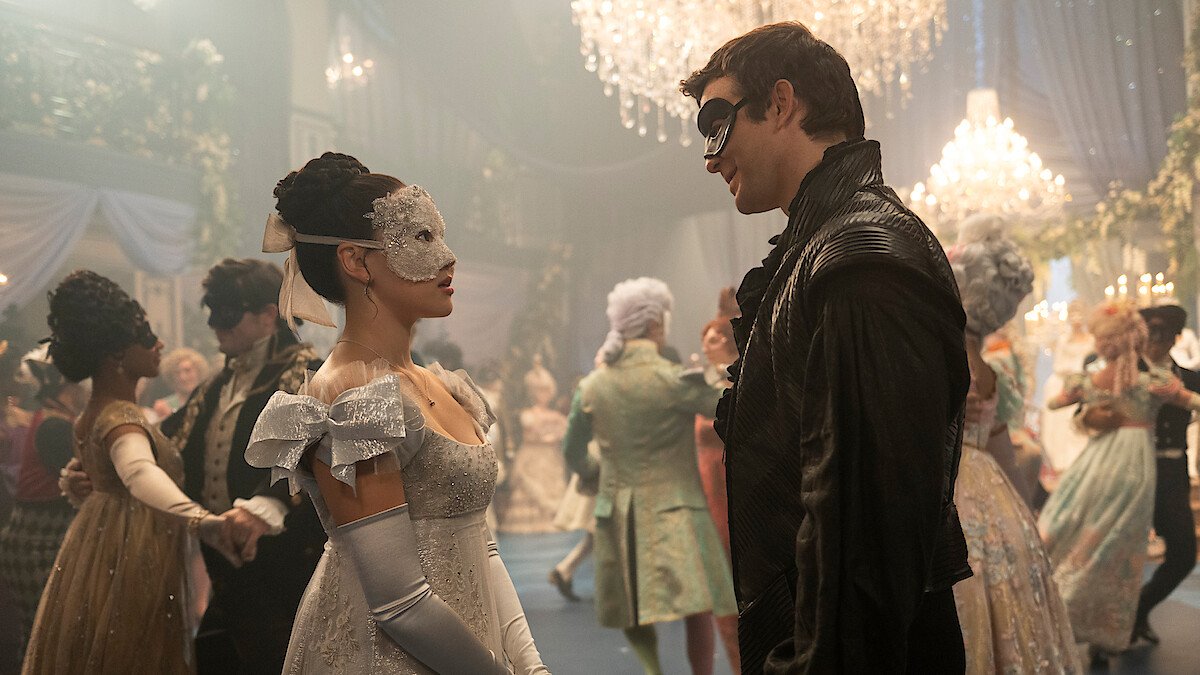
- Benedict and Sophie’s romance evolves beyond fantasy into emotional realism
- The finale explores class tension with greater depth than previous seasons
- Women of the ton take stronger narrative control across multiple storylines
- Lady Whistledown’s legacy shifts toward a new era of influence
The ton thrives on anticipation, and few finales have stirred conversation quite like the second half of Bridgerton Season 4. Released on February 26, the closing episodes didn’t just wrap up a romance, they reshaped the emotional tone of the series itself. Social feeds lit up instantly. Group chats worked overtime.
At the center of the season stood Benedict Bridgerton, played by Luke Thompson, and Sophie Baek, portrayed by Yerin Ha, whose relationship moved beyond fairy tale fantasy into something far more grounded. Early episodes leaned into masquerade glamour and mystery, but the finale shifted focus toward choice, consequence, and personal agency. Romance remained central. The stakes felt real.
This evolution reflects a broader trend in modern period dramas, where audiences crave emotional complexity alongside escapism. Viewers still want sweeping ballrooms and ornate costumes, yet they increasingly expect characters to confront social realities rather than simply dance around them. Season 4 answers that demand by placing class struggle and identity at the forefront. Growth became unavoidable.
Much of the tension emerged from Benedict’s open defiance of Regency expectations, amplified by the presence of Lady Araminta Gun as a formidable antagonist. Instead of prolonged longing, the narrative pushed both leads into decisive action. They stopped waiting. They started choosing.
The finale also expanded its emotional reach through the women of the ton, a shift widely praised by audiences. Penelope stepped confidently into evolving responsibilities, Francesca’s storyline explored emotional nuance, and Alice Mondrich navigated court politics with strategic precision. Supporting characters no longer felt secondary. Every arc carried weight.
Another standout thread was the handling of Lady Whistledown’s legacy. Rather than closing the chapter entirely, the series hinted at transformation. Gossip remains power in this world, but its ownership and purpose appear to be changing. Subtle setup. Big implications.
What makes this season distinct is its maturity. Conversations between characters linger longer. Conflicts feel less theatrical and more personal. Even the romantic tension balances passion with difficult dialogue, suggesting the show is growing alongside its audience. The fantasy still sparkles, but the emotions cut deeper.
Season 4’s finale proves Bridgerton is evolving beyond matchmaking drama into a richer exploration of relationships and identity. If this chapter signals the show’s future direction, the ton’s next season may be its most compelling yet. Stream the finale now and join the conversation unfolding online!