- Your gut microbiome shifts significantly after 30 days of Ramadan fasting patterns.
- Jumping straight into heavy meals post-Eid is the number one digestive mistake to avoid.
- Probiotics, fibre, and hydration are the three most powerful post-Eid recovery tools.
- UAE doctors say the first seven to ten days after Ramadan are your most critical reset window.
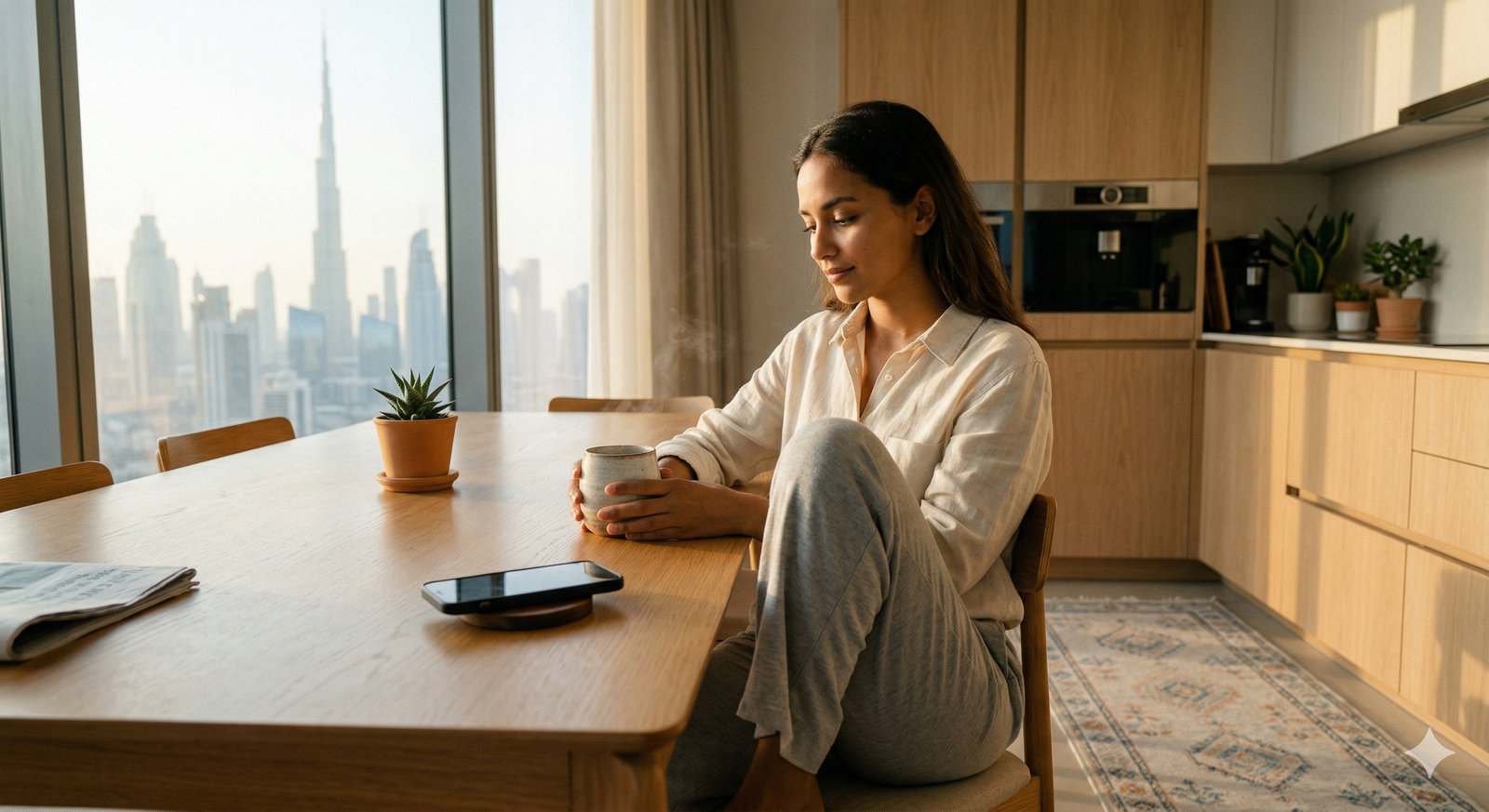
Monday morning after Eid hits differently. The celebrations are over, the family WhatsApp groups have gone quiet, and your body is sending you a very clear message that it needs a moment. At clinics across Dubai, doctors see the same pattern every year after Eid: patients who felt fine during Ramadan presenting with gut discomfort, fatigue, and metabolic instability in the days that follow. You are not imagining it and you are not alone. After 30 days of completely restructured eating, altered sleep rhythms, compressed eating windows, and the celebratory excess of Eid, your digestive system has been through a full transformation. And right now, it needs your help to come back to itself.
During Ramadan, your gastrointestinal tract adjusts to a compressed eating window, with gastric acid production, digestive enzyme secretion, bile release, and gut motility all recalibrating around the suhoor and iftar rhythm. After 30 days, your gut microbiome also shifts in composition, influenced by the foods you ate, the fasting duration, changes in sleep, and overall stress load. When Eid arrives and eating patterns suddenly expand, larger meals, more frequent eating, richer foods, celebratory sweets, the digestive system simply cannot keep pace. The most common post-Ramadan complaints include bloating and gas after heavier meals, acid reflux, constipation or irregular bowel movements, fatigue despite eating, and low-grade nausea. These are not signs that something is wrong with you. They are signs that your gut is asking you to slow down and be deliberate about what comes next.
Think of the first seven to ten days after Ramadan as a calibration window, not a continuation of celebration. Keep portions moderate. Eat to 70 to 80 percent fullness rather than until completely satisfied. Prioritise light, easy-to-digest foods including soups, steamed vegetables, grilled protein, rice, and yoghurt. Reintroduce caffeine gradually rather than jumping back to two or three coffees a day immediately, as reintroducing coffee immediately post-Eid, especially on an empty or near-empty stomach, can trigger acid reflux, loose stools, and cortisol spikes that dysregulate blood sugar further. Start with one cup after a meal and build from there. Your gut will thank you for it.
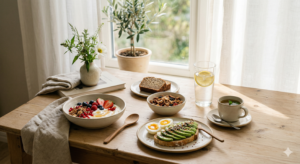
Focusing on fibre and probiotics is the most effective way to skip the usual bloating or acid reflux. Eat smaller meals more frequently rather than one or two large ones. Prioritise oats, whole grains, and greens to keep digestion moving. Add a little yoghurt or kefir for good bacteria. And avoid anything fried or heavily spiced while your system is still sensitive. Hydration is equally non-negotiable. Many people unconsciously reduce daytime fluid intake out of Ramadan habit, and constipation and headaches post-Eid are often driven more by dehydration than by food choices. Aim for eight to ten glasses of water distributed consistently throughout the day rather than in large amounts at once. Starting the morning with warm water and a squeeze of lemon or a pinch of cinnamon stimulates digestion and gently rehydrates the body after a long period of reduced water intake. It is one of the simplest and most effective things you can do right now.
Reintroduce normal eating over one to two weeks instead of returning to heavy meals immediately. Focus on vegetables, complex carbohydrates, and lean protein to stabilise blood sugar and support digestion. And be patient with yourself through this process. Instead of telling yourself you ruined your diet during Eid, try recognising that you enjoyed a tradition and that your next meal simply returns to balance. This prevents the all-or-nothing spiral that derails most people’s recovery. Ramadan gave your gut a profound opportunity to rest and reset. Eid was a beautiful celebration. What comes next, this week, with these small and deliberate choices, is where you actually lock in the benefits of everything your body has been working through for the past month.
Your gut is ready to recover. Give it the right conditions and it will do the rest!