Rama, Krishna, Lakshmi, Mahavira and Guru Hargobind all light the same lamps. Here is why.
- Diwali 2026 runs from Dhanteras on November 6 to Bhai Dooj
- North India celebrates Rama’s homecoming while the south celebrates Narakasura’s defeat
- Jains mark Mahavira’s liberation and Sikhs mark Guru Hargobind’s release
- Bengal honours Kali while Gujarat opens new account books that night
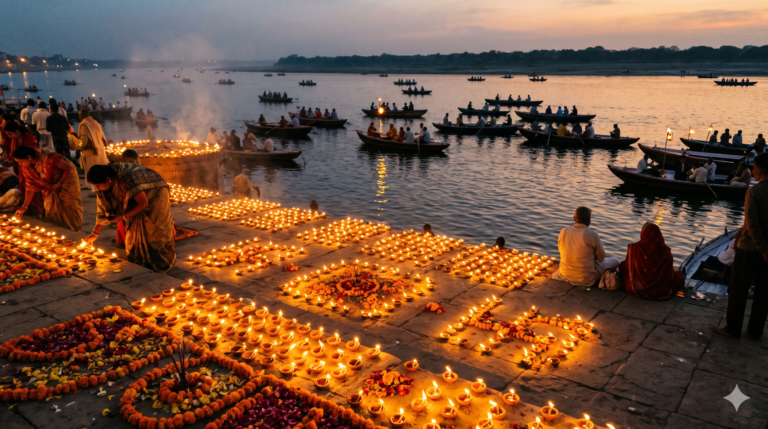
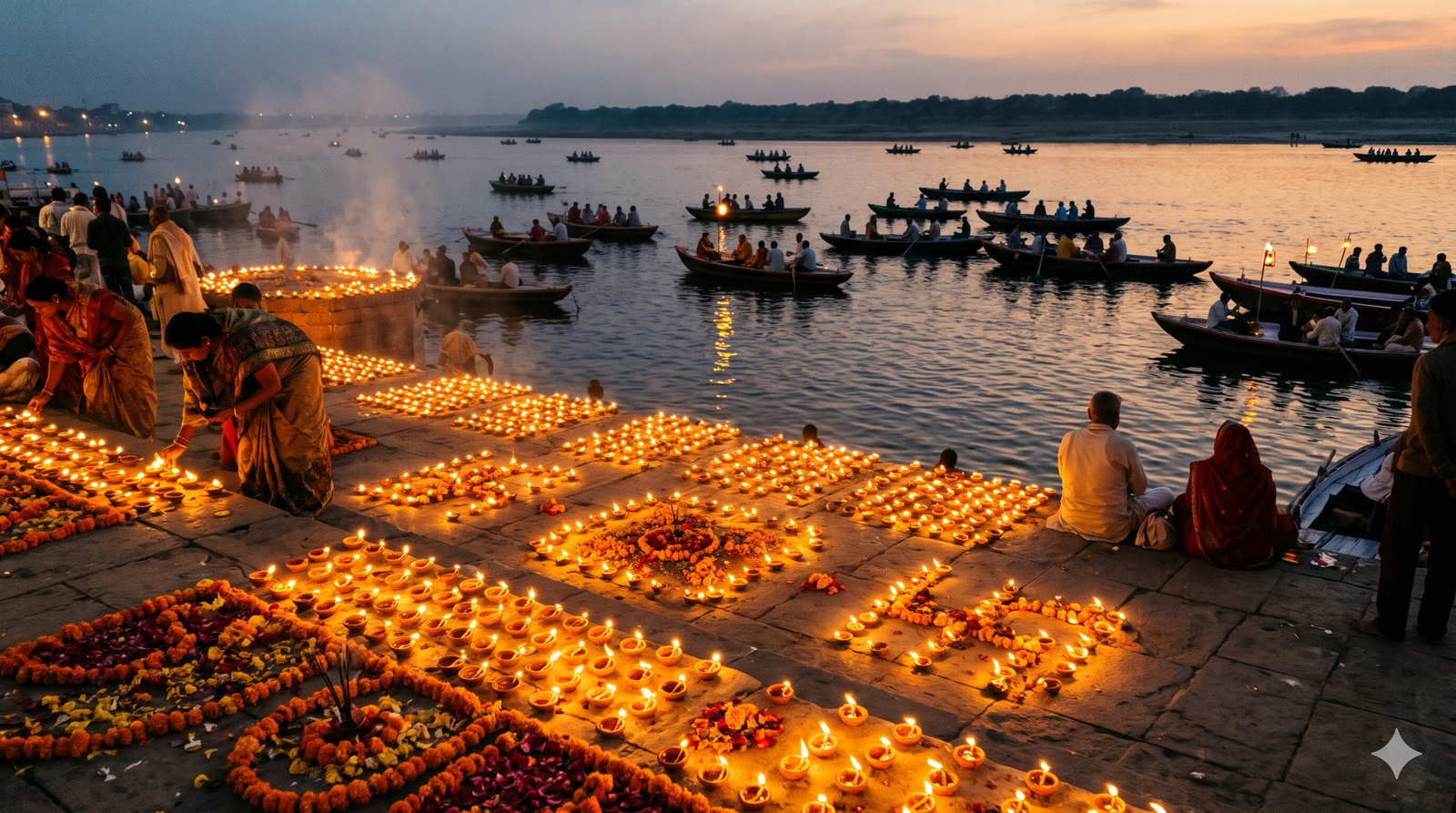
Ask five Indians why they light lamps on Diwali and you may get five different answers. A homecoming in Ayodhya. A demon defeated in Assam. A goddess rising from the ocean. A Jain teacher reaching liberation. A Sikh Guru walking out of a fortress. Diwali history is not one story. It is a crowded room of stories, and everyone insists theirs came first.
The word itself is simple. Deepavali means a row of lamps. Everything else is up for debate. Many scholars see an older autumn harvest festival of lamps underneath the myths, and each region has layered its own story on top.
In much of north India, the lamps welcome Rama home to Ayodhya after 14 years of exile and his victory over Ravana. The people of the city lined the streets with flames to light his way. In the south, the spotlight falls a day earlier, on Krishna’s victory over the demon king Narakasura. In the west, the night belongs to Lakshmi, and for Gujarati and Marwari communities it marks the new year. In Bengal, Assam and Odisha, the same night is Kali Puja, and the prayers go to the fierce goddess, not to Lakshmi. Same lamps. Different gods.
The Five Days of Diwali and What Each One Really Means
Day 1: Dhanteras (Friday, November 6). Dhan means wealth and teras means thirteenth, the thirteenth day of the dark fortnight of Kartik. Tradition says Dhanvantari, the physician of the gods, rose from the churning of the ocean holding a pot of amrit. That is why health comes before wealth here. A second legend explains the lamp left burning at the door for Yama, the god of death. It tells of a prince fated to die after his wedding, saved when his wife piled gold and lamps at the threshold and sang through the night.
Day 2: Naraka Chaturdashi (Saturday, November 7). Also called Choti Diwali, this day marks Krishna’s victory over Narakasura, who had held thousands of women captive. Some tellings credit his wife Satyabhama with striking the final blow. In the south, this is the main Diwali morning, with an oil bath before sunrise.
Day 3: Lakshmi Puja (Sunday, November 8). The new moon night. Lakshmi, who also emerged from the ocean, is said to visit the cleanest, brightest homes, so doors stay open and every window glows. In Bengal, the same hour belongs to Kali.
Day 4: Govardhan Puja (Monday, November 9). When Indra sent a storm to flood Mathura, young Krishna lifted Mount Govardhan on one finger and sheltered the village beneath it. Devotees honour him with Annakut, a mountain of food offerings, often 56 dishes. In some regions, this day also honours King Bali, who legend says Vishnu sent to the netherworld, with permission to return once a year.
Day 5: Bhai Dooj (Tuesday, November 10). Yamuna invited her brother Yama to her home, and he was so moved that he blessed every brother who visits his sister on this day. In Bengal, it becomes Bhai Fota. Sisters pray for their brothers’ long lives, and the festival ends in family.
Diwali is not only a Hindu festival. For Jains, it is Mahavira Nirvana Divas. On this night, Mahavira, the 24th and last Tirthankara, attained nirvana at Pavapuri. Svetambara tradition dates it to 527 BCE, while Digambara tradition says 510 BCE, a gap the community has never closed. His followers lit lamps to replace the light of knowledge that had left the world. Today many Jains fast, meditate and chant his final sermons.
For Sikhs, the date is Bandi Chhor Divas, the Day of Liberation. In 1619, the sixth Guru, Hargobind, was released from Gwalior Fort, where the Mughal emperor Jahangir had imprisoned him. He refused to leave without the 52 kings held captive alongside him. Tradition says the Guru wore a cloak with 52 tassels, and each king held one as they walked out. When he reached Amritsar, the Golden Temple was lit with lamps. It still is, every year. The occasion carries its own meaning, though it often falls on the same night as Diwali.
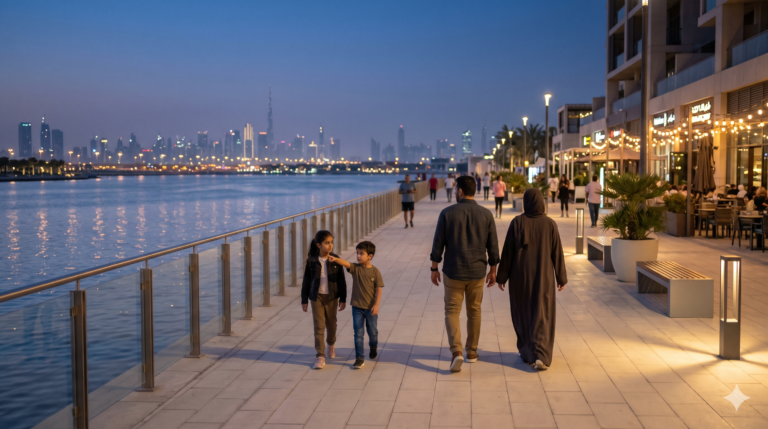
So who is right? Everyone and no one. The stories disagree on who, where and when. They agree on what lamps are for: homecoming, victory, prosperity, liberation, knowledge. In Dubai, that overlap is visible. The Hindu Temple in Jebel Ali has a section for the Guru Granth Sahib, and this year Diwali falls on a Sunday, inside the UAE weekend, so most people can simply show up.