From ice baths to cold plunges, contrast therapy is having its biggest moment yet and the science behind it is genuinely compelling.
- Cold water immersion releases noradrenaline, dopamine, and endorphins within minutes of exposure.
- Just eleven minutes of cold water immersion weekly produces measurable mental health benefits.
- Contrast therapy combining heat and cold produces the strongest recovery outcomes of any protocol.
- Dubai now has dedicated cold plunge and cryotherapy facilities across Jumeirah, Al Quoz, and JBR.
September in Dubai brings something that June, July, and August categorically cannot: the possibility of standing under cold water without it feeling like a mild inconvenience rather than a genuine act of courage. Cold therapy has been building momentum in UAE wellness culture for the past eighteen months, with cold plunge facilities, cryotherapy chambers, and contrast therapy protocols moving from the fringes of elite sports recovery into mainstream wellness studios and hotel spas across the city. The timing of this September conversation is not arbitrary. As temperatures begin their gradual descent from peak summer extremes and the city’s outdoor wellness season returns, cold therapy represents one of the most accessible and genuinely transformative additions to any UAE resident’s autumn wellness routine. The science behind it is more compelling than most people expect, and the practical entry point is lower than almost anyone who has not tried it yet believes.
What Cold Therapy Actually Does to the Body and Brain
The physiological response to cold water immersion is immediate, dramatic, and well-documented. Within the first thirty seconds of cold water contact, the body activates a cascade of neurochemical and hormonal responses that produce effects that no supplement, breathwork session, or wellness ritual can fully replicate. Noradrenaline, the neurotransmitter most associated with focus, attention, and mood elevation, increases by two hundred to three hundred percent within minutes of cold water immersion. Dopamine, the neurochemical of motivation and reward, rises by two hundred and fifty percent following cold exposure and, critically, remains elevated for hours afterward rather than spiking and crashing in the way that food, social media, and other common dopamine sources produce. Endorphins, the body’s natural pain-relieving and mood-elevating compounds, are released simultaneously, contributing to the euphoric clarity that experienced cold therapy practitioners consistently describe as one of the most distinctive and addictive aspects of the practice.
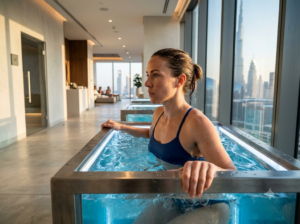
The research is specific enough to give practical guidance without ambiguity. Eleven minutes of cold water immersion per week, distributed across two to four sessions of two to four minutes each at temperatures between ten and fifteen degrees Celsius, produces measurable improvements in mood, stress resilience, and metabolic function according to research from the University of Portsmouth and multiple subsequent replication studies. This is not a demanding protocol. It is two to four short cold showers or plunge sessions per week, each lasting the duration of a long deep breath held and released several times. The barrier is psychological rather than physical, and the psychological barrier is precisely where the most significant benefit also lives. The act of choosing to enter cold water despite the body’s instinctive resistance is itself a training stimulus for the prefrontal cortex, the region responsible for executive function, emotional regulation, and the capacity to act deliberately rather than reactively under stress. Cold therapy is simultaneously a physical recovery tool and a mental resilience practice, and that combination is what makes it genuinely distinctive among the wellness options available to UAE residents this September.
Contrast therapy, which alternates between heat exposure in a sauna or steam room and cold immersion in a plunge pool, produces the strongest recovery and circulatory benefits of any thermal protocol currently available in Dubai wellness facilities. The alternating vasoconstriction of cold and vasodilation of heat creates a pumping effect in the circulatory system that dramatically accelerates the removal of metabolic waste products from muscle tissue, reduces systemic inflammation, improves lymphatic drainage, and produces a parasympathetic nervous system response after the final cold phase that most practitioners describe as the deepest physical relaxation they experience outside of sleep. Several Dubai hotels and wellness facilities now offer dedicated contrast therapy circuits, and the combination of sauna access with a cold plunge pool is increasingly available across the city’s premium gym and spa landscape.
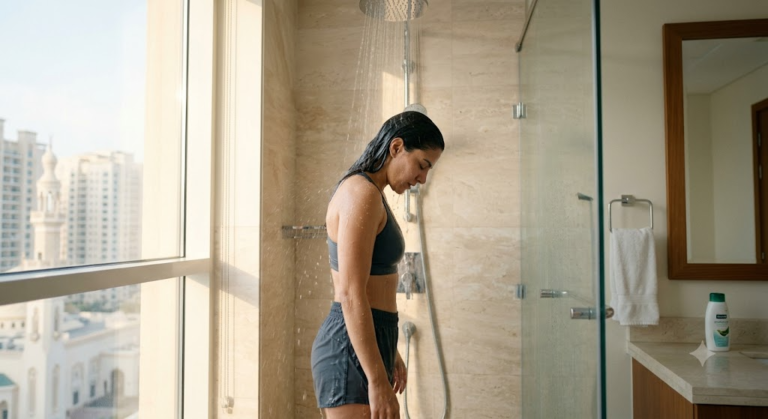
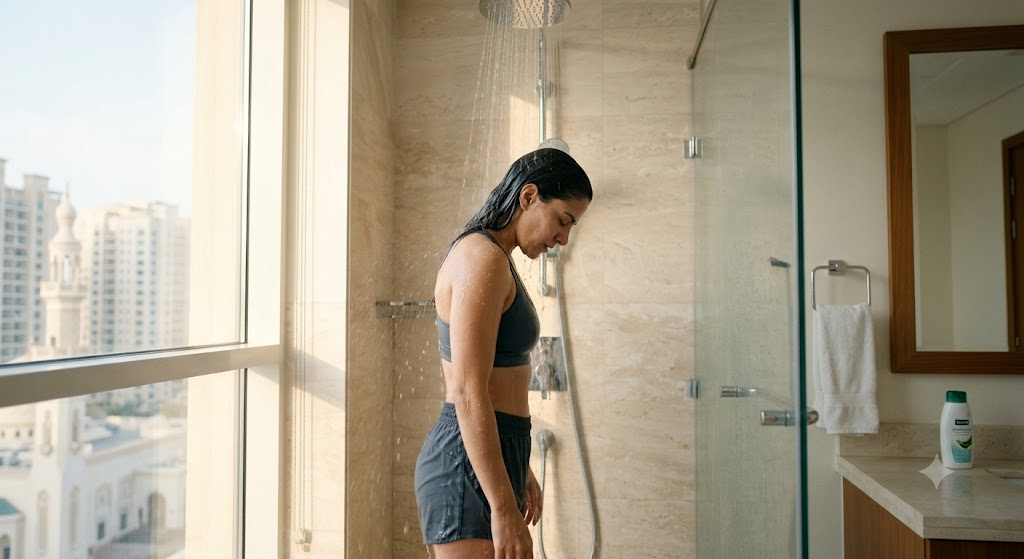
For UAE residents who are not yet ready to book a dedicated cold plunge session, the cold shower is the most accessible entry point and produces genuine, measurable benefits at a fraction of the cost and logistical commitment. Beginning with the final sixty seconds of a warm shower turned to the coldest available setting, three to four times per week, and building gradually toward two to three minutes of sustained cold exposure produces the noradrenaline and dopamine responses documented in clinical research, albeit at a somewhat reduced magnitude compared to full immersion. The key is consistency rather than duration. Sixty seconds of genuine cold, practiced regularly, is more beneficial than an occasional five-minute plunge attempted with dread and avoided for two weeks afterward. Start small, stay consistent, and let the neurochemistry do what it does.
This September, as Dubai’s wellness season returns and the city reclaims its outdoor energy, cold therapy is one of the most genuinely exciting additions available to any resident looking to sharpen their focus, elevate their mood, and build the kind of deliberate mental resilience that a busy autumn term demands!