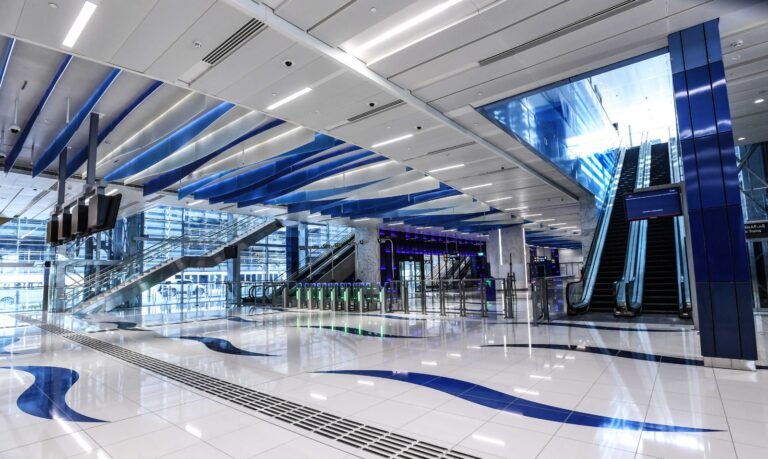
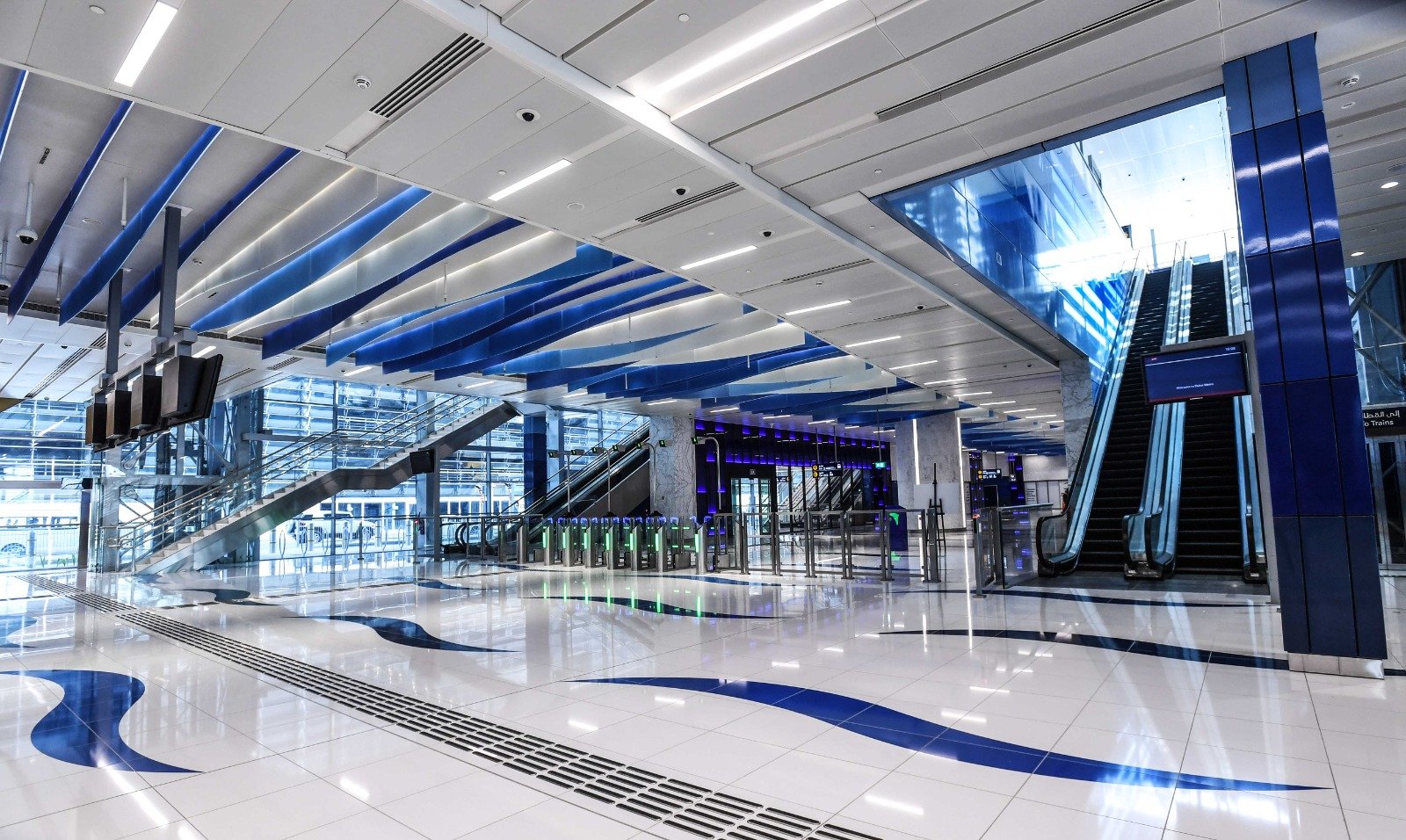
RTA’s lighting upgrade is 40% complete, with major electricity savings expected by 2027.
- RTA has replaced 17,880 conventional lights with energy-efficient LED units.
- New lighting can last up to eleven years under continuous operation.
- Work spans footbridges, passenger areas, car parks and Metro tunnels.
- Completion in 2027 could save over 14 million kWh each year.
For the thousands of commuters moving through Dubai Metro each day, the journey is often measured in minutes, station stops and the race to catch a train. Behind that familiar routine, a quieter upgrade is taking place. Dubai Metro sustainability is getting a boost as the Roads and Transport Authority (RTA) replaces conventional lights with energy-efficient LEDs, targeting lower electricity use and fewer maintenance interruptions across the network.
A well-lit footbridge or station corridor is easy to take for granted until maintenance work gets in the way. RTA has now replaced 17,880 conventional lighting units out of 44,700 planned across Dubai Metro stations and facilities, completing 40% of the project. The first two phases covered footbridges and passenger and operational areas along the Red and Green Lines. The upgrade is already well underway.
For commuters travelling before sunrise or returning home after a late shift, dependable station lighting is part of the everyday experience. The new LED units can operate for up to 11 years under continuous use, compared with around one year for conventional bulbs. That difference could avoid 12 to 13 replacement cycles for each unit over its lifespan, while saving six to seven labour hours per unit. Fewer replacements mean less maintenance work to manage.
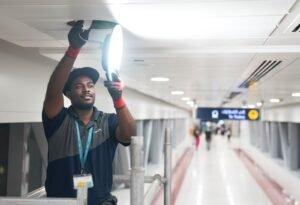
Behind the scenes, lighting a transport network involves more than the areas passengers see. RTA’s third phase is progressing through the remaining facilities, including car parks, tunnels, extension buildings and power distribution stations. These spaces are essential to keeping the Metro running. They matter even when commuters never notice them.
The project is being carried out with Keolis MHI, which operates and maintains Dubai Metro and Dubai Tram. Once the full replacement programme is completed in 2027, RTA expects annual electricity consumption to fall by more than 14 million kilowatt-hours. That is a significant saving in a city where energy efficiency is an important part of infrastructure planning. The impact extends beyond the platform.
Dubai has also been pursuing wider energy-efficiency goals through upgrades to transport and public infrastructure. RTA’s lighting work follows that direction by focusing on the equipment used every day, rather than relying only on changes passengers can see. Better-performing lights, longer service life and fewer replacement jobs all contribute to more efficient operations.
For someone changing trains on the way to work or crossing a station footbridge during the evening rush, the benefits may appear modest. Yet reliable lighting and well-maintained facilities are part of what makes public transport work smoothly. With 60% of the replacement project still to complete, RTA’s next milestone is clear: finish the remaining installations and deliver the projected energy savings by 2027.