
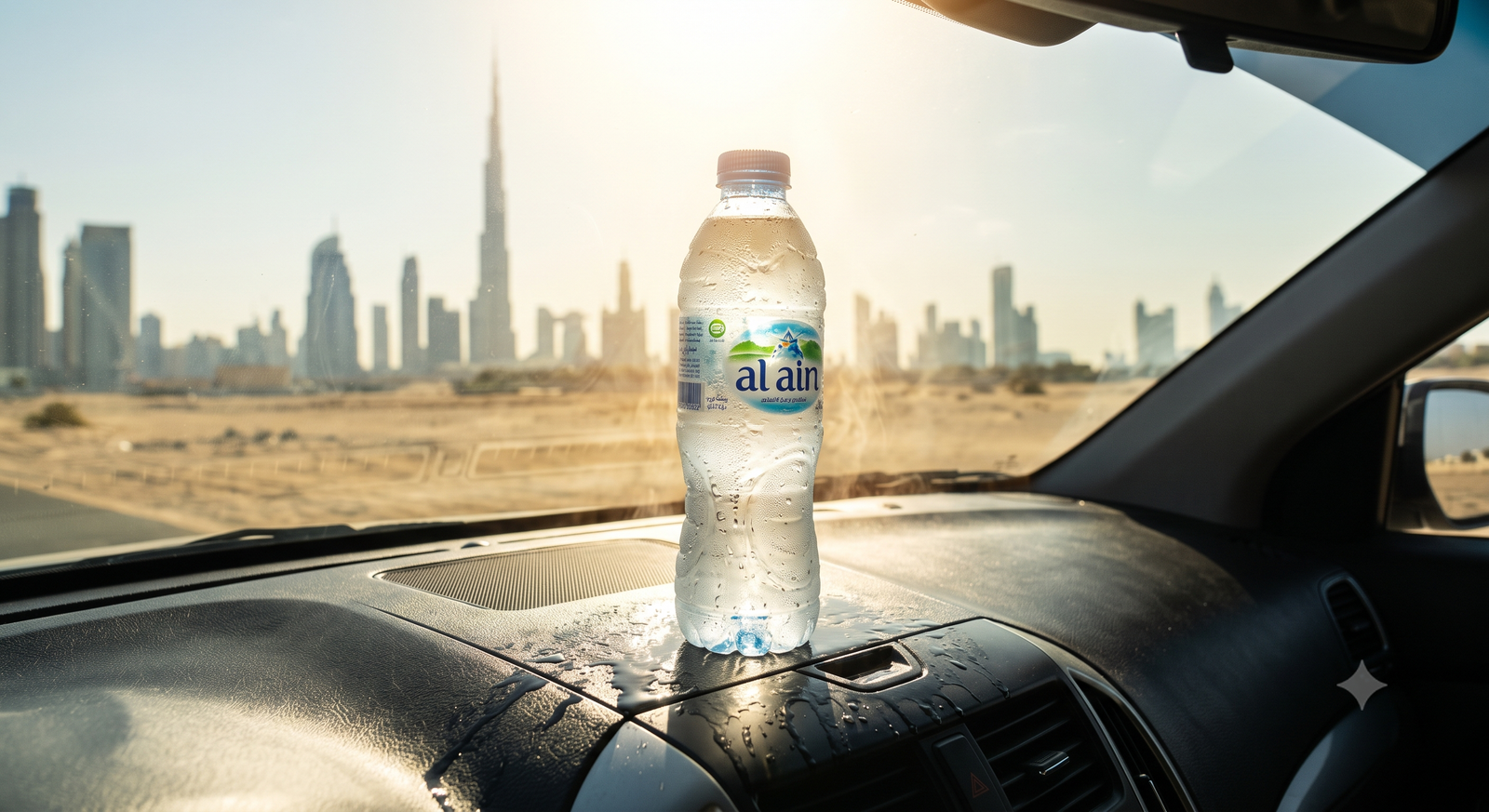
Scientists have found microplastics in human blood, breast milk, lungs, and hearts. Here is what that means for how you live in Dubai.
- Microplastics have been detected in human blood, lungs, breast milk, and heart tissue.
- UAE residents consume among the highest amounts of bottled water globally per capita.
- Plastic bottles left in hot cars leach significantly more microplastics into the water inside.
- Four simple daily swaps reduce microplastic exposure by up to 90 percent according to researchers.
Something is in your blood right now that was not there fifty years ago. It is in your lungs, your liver, your heart tissue, and if you are a woman who has recently given birth, it is in your breast milk. The Global Wellness Summit named microplastics and nanoplastics as one of the most urgent wellness concerns of 2026, noting that they are now found throughout the human body with research actively investigating their links to inflammation, hormonal disruption, cardiovascular disease, and fertility challenges. Microplastics health is not a future concern or a distant environmental issue. It is a present and personal one, and for UAE residents living in one of the world’s highest per-capita consumers of bottled water, in a climate where plastic bottles are routinely left in hot cars and delivered in plastic packaging across forty-five degree summers, the daily exposure profile is particularly worth understanding.
Microplastics are fragments of plastic smaller than five millimetres, and nanoplastics are smaller still, invisible to the naked eye and small enough to penetrate cell membranes. They enter the body primarily through food and water consumption, inhalation of airborne plastic particles, and skin contact with synthetic materials. Scientists have detected microplastics in human blood, lungs, liver, kidney, spleen, placenta, breast milk, and most recently in arterial plaque, with studies suggesting that people with higher concentrations of microplastics in their arterial tissue face a significantly elevated risk of cardiovascular events. The research is still developing and causation is not yet fully established, but the presence of these particles in the most critical tissues of the human body is sufficiently documented that the Global Wellness Summit, the World Health Organisation, and an increasing number of leading medical researchers are treating this as a mainstream health concern rather than a fringe environmental worry.
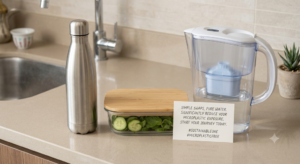
For UAE residents specifically, three daily habits create disproportionate exposure compared to the global average. The first is bottled water. The UAE has among the highest bottled water consumption rates per capita in the world, driven by reasonable concerns about tap water taste and quality. A litre of bottled water contains an average of 240 microplastic particles, with the number increasing significantly when bottles are exposed to heat, UV light, or physical pressure, all of which describe the typical journey of a water bottle in Dubai, from a hot delivery vehicle to a sun-exposed car seat to a bag left in direct light. Switching to a filtered glass or stainless steel bottle filled from a home filtration system reduces this exposure dramatically. The second major source is food packaging and delivery containers, which have become the dominant mode of food consumption in a city where delivery platform usage is among the highest in the world. Heating food in plastic containers, even those labelled microwave-safe, significantly increases the leaching of plastic particles into food. The third is synthetic clothing fibres, which shed microplastics with every wash and every wear, with the particles becoming airborne and inhaled throughout the day.
The practical response does not require a complete lifestyle overhaul. Switching from plastic to glass or stainless steel water and food containers, using a washing machine filter to capture synthetic fibres, choosing natural fabric clothing where possible, and running a good quality home water filter are the four changes that researchers most consistently identify as producing the most significant reductions in daily microplastic exposure, with some studies suggesting these swaps together reduce intake by up to 90 percent compared to an unmodified lifestyle. Avoiding heating food in plastic, choosing fresh food over heavily packaged processed alternatives, and never leaving plastic water bottles in a hot car, which accelerates leaching dramatically, round out the most evidence-backed practical interventions currently available.
The science is still developing and the full health implications of microplastic accumulation in human tissue will take years to fully establish. But the precautionary principle, the idea that when credible evidence of potential harm exists, acting before proof is absolute is the rational response, applies clearly here. The particles are in the body. They are accumulating over time. The simple swaps that reduce daily exposure cost almost nothing and carry no downside. This Monday morning, start with the water bottle. It is the single highest-impact change available to most UAE residents and it takes approximately thirty seconds to make!