Huawei’s Dubai event explores how wearable devices could support cardiovascular monitoring and earlier health risk research.
- Visitors experienced the smartwatch’s blood pressure monitoring features firsthand.
- Huawei showcased the WATCH D3 at ISH-ECS 2026 in Dubai.
- Experts discussed wearable technology for blood pressure monitoring and management.
- Dubai Health and Huawei are collaborating on diabetes risk research.
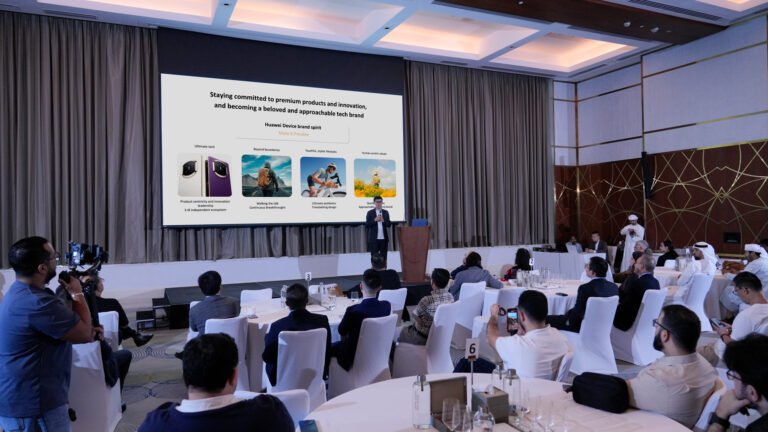
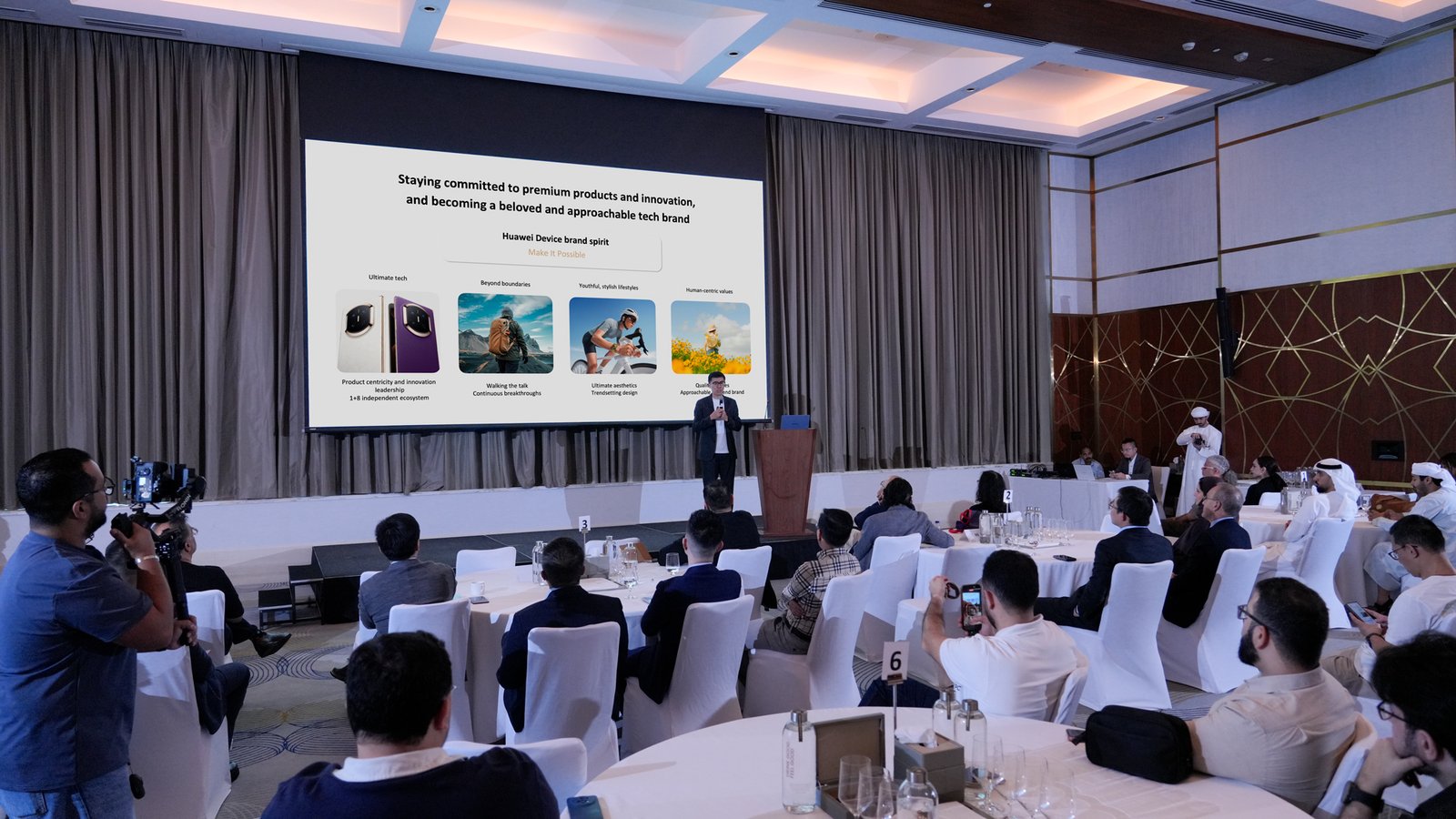
A smartwatch can count steps during a morning walk, track sleep overnight and sit quietly on the wrist through a busy workday. Its role in personal health could be expanding further. At MEA Tech Innovation Talks in Dubai, Huawei WATCH D3 took centre stage as healthcare and technology experts explored how wearable devices could support blood pressure monitoring and research into cardiovascular health. The focus was on making health information easier to access in everyday life.
For someone balancing office hours, family commitments and regular health appointments, repeated blood pressure checks can be difficult to fit into a routine. Huawei presented the WATCH D3 at the ISH-ECS 2026 conference in Dubai, showcasing its blood pressure monitoring capabilities and giving attendees the chance to try the device in different scenarios.
Researchers at the event discussed how wearable blood pressure monitors could help build a fuller picture of cardiovascular health beyond occasional measurements. Professor Jiguang Wang of the Shanghai Institute of Hypertension highlighted the potential for monitoring to become a more natural part of daily routines, while Professor George Stergiou, President of the International Society of Hypertension, discussed the value of reliable readings and the need for further clinical research.
The distinction matters. Wearable devices can make health tracking more accessible, but their readings should be interpreted in context and not treated as a substitute for professional medical advice. The American Heart Association recommends validated blood pressure monitors for home use and stresses that personal monitoring does not replace medical appointments. People should consult healthcare professionals about which device is suitable for their needs.
A health concern rarely exists in isolation, which is why the Dubai event also explored coronary heart disease research and diabetes risk assessment. Professor Maryam Al Saeed of Mohammed Bin Rashid University of Medicine and Health Sciences discussed a clinical research collaboration between Dubai Health and Huawei to evaluate non-invasive wearable technology for earlier diabetes risk assessment. It is research, not a diagnostic promise.
The wider work draws on long-term investment. Huawei reported spending USD 28.62 billion on research and development in 2025, equal to 21.8% of its annual revenue, and has established a Wearable Blood Pressure Technology Innovation Fund with the International Society of Hypertension. The aim is to support further research into hypertension.
For UAE residents interested in preventive healthcare, the appeal lies in what future research might make possible: more useful health data gathered during ordinary routines, with appropriate clinical oversight. Huawei also presented smartphone and semiconductor innovations at the Dubai event, but health technology remained a central discussion. The next step is evidence.
As wearable health features become more sophisticated, the important question is how reliably they can support real healthcare decisions. Learn more about the WATCH D3 and follow guidance from qualified healthcare professionals before relying on any wearable for health monitoring. Useful technology starts with trustworthy information.
Visit the Website for more details.