The season shift hitting Dubai right now is the most important time of year to actively support your immune system and most residents are not doing it.
- October’s dramatic temperature swings between air conditioning and outdoor air challenge immune function significantly.
- Vitamin D deficiency affects over 80 percent of UAE residents and directly suppresses immune response.
- Sleep below seven hours reduces immune cell production by up to 70 percent within one night.
- The gut microbiome produces 70 percent of immune system activity making gut health immune health.
Something specific happens in Dubai in October that most residents notice in their bodies before they name it consciously. The temperature outside is finally dropping. The outdoor season is returning. The social calendar is filling up again after summer. And somewhere in the middle of all of that welcome activity, a notable number of people get sick. A scratchy throat here, a persistent fatigue there, the kind of low-grade unwellness that appears precisely when the season changes and the immune system is navigating the transition between months of one extreme and the beginning of another. Immunity boost for UAE residents is not a generic wellness topic. It is an October-specific, context-specific, and genuinely urgent conversation for a population whose immune challenges are shaped by a very particular set of environmental and lifestyle factors that most generic immune health content never addresses.
Why October Is the UAE’s Most Critical Month for Immune Health
The immune challenge of October in Dubai operates through several mechanisms that compound each other in ways unique to this environment. The first is the temperature differential. Moving repeatedly between air-conditioned indoor environments sitting at nineteen or twenty degrees Celsius and outdoor temperatures that are still reaching thirty-two to thirty-five degrees in mid-October creates a physiological stress on the upper respiratory tract and mucosal immune defences that is not present in climates with more gradual seasonal transitions. The nasal passages, which serve as the immune system’s first line of defence against airborne pathogens, are particularly vulnerable to this rapid thermal cycling, with the mucosal lining drying and contracting in cold air-conditioned air and then re-expanding in outdoor heat in ways that temporarily compromise its barrier function and pathogen-trapping capacity.
The second mechanism is the return of social density. Summer in Dubai, for all its challenges, produced a period of reduced social contact that inadvertently limited pathogen exposure. October brings school terms in full swing, offices at full capacity, social events resuming, fitness challenges drawing large groups together, and the return of the networking and gathering culture that makes Dubai’s autumn season so energetic. For an immune system that has been operating at reduced load through the summer months, this rapid increase in pathogen exposure arrives at the same time as the physical stress of the season transition, creating a window of elevated vulnerability that most residents do not recognise as a specific immune challenge requiring specific support.
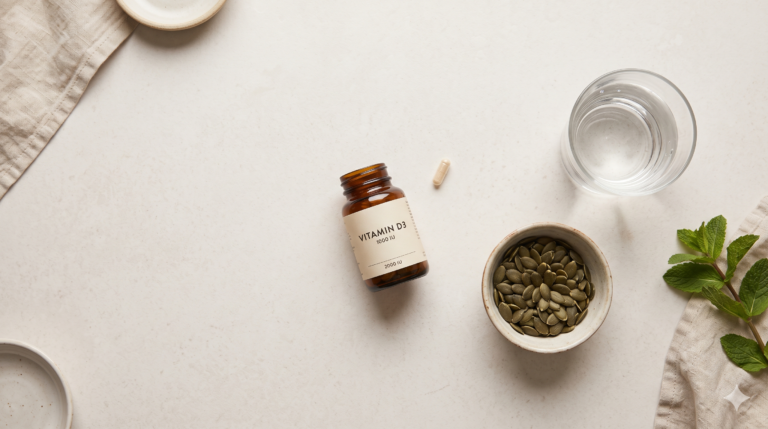
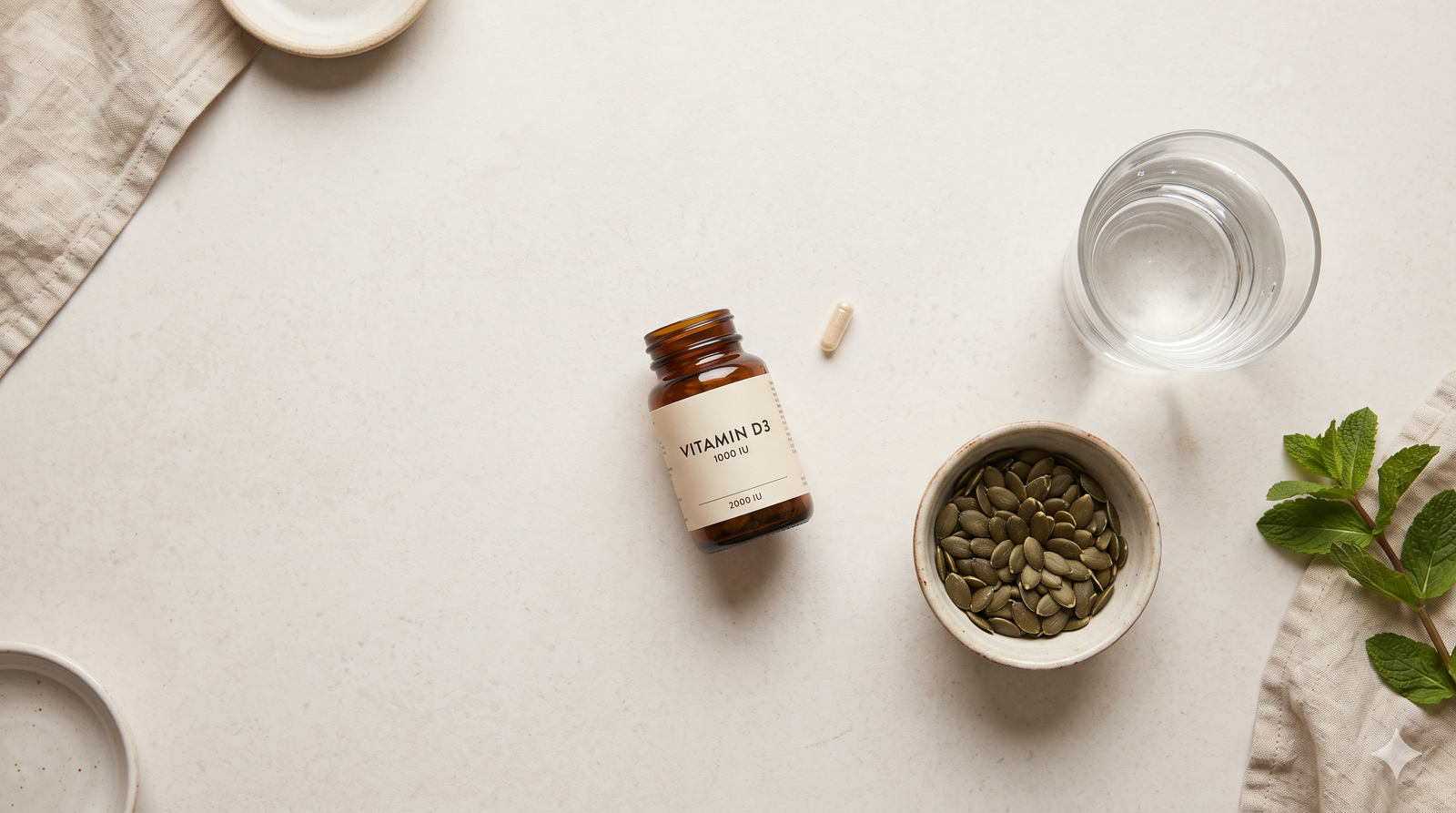
The vitamin D situation in the UAE deserves particular attention because it directly contradicts the expectation most people carry about living in a sun-drenched country. Over 80 percent of UAE residents are vitamin D deficient, a counterintuitive finding that results from the combination of indoor summer living, sun avoidance during the most intense months, and the fact that the angle of the sun in this latitude makes meaningful vitamin D synthesis from outdoor exposure impossible during the morning and evening hours when outdoor activity is actually comfortable. Vitamin D is not merely a bone health nutrient. It is a direct regulator of immune function, with receptors on virtually every immune cell in the body, and deficiency measurably impairs the production and activation of the T-cells and B-cells that form the adaptive immune response to new pathogens. Supplementing 2,000 to 4,000 IU of vitamin D3 daily throughout October, when sun exposure is still insufficient for adequate synthesis, is one of the highest-impact and most evidence-backed immune interventions available to any UAE resident and remains one of the most consistently underpractised.
Sleep is the other immune factor that October specifically compromises for many UAE residents. The return of the full social and professional calendar, combined with the excitement of the season returning and the demands of children back at school, creates a progressive sleep debt across October that most people do not notice accumulating until they are already sick. A single night of sleep below seven hours reduces natural killer cell production by up to 70 percent, the immune cells most responsible for identifying and destroying virally infected cells before an infection establishes itself. This is not a marginal reduction. It is a catastrophic temporary impairment of exactly the immune function most needed during a period of increased pathogen exposure. Protecting seven to eight hours of sleep in October is as directly immune-supportive as any supplement on the market.
Gut health rounds out the October immune picture with a statistic that most people find genuinely surprising the first time they encounter it: approximately 70 percent of the immune system resides in the gut-associated lymphoid tissue, making the health of the gut microbiome directly and significantly predictive of immune function. The dietary disruptions of October, more social eating, less home cooking, the return of heavy restaurant meals after a summer of lighter habits, compromise the gut microbiome in ways that translate directly into reduced immune capacity. Adding a daily probiotic, increasing dietary fibre through vegetables and legumes, and reducing ultra-processed food consumption across October produces measurable improvements in gut-associated immune function within two to four weeks.
This Sunday evening, before the week begins, take stock of four things: your vitamin D supplementation, your sleep commitment for the week ahead, the state of your gut health, and the level of stress you are carrying into Monday. Each one is a direct lever on your immune function for the season. October in Dubai is one of the best months of the year. Stay well enough to enjoy all of it!