From Sheikh Mohammed bin Zayed Road to Emirates Road, preventive repairs keep key routes in shape.
- RTA completes preventive maintenance and rehabilitation across 20 km of Dubai highways.
- Works cover major routes connecting Dubai with Abu Dhabi and Sharjah.
- Laser and artificial intelligence technologies help identify cracks, damage and potholes.
- Traffic diversions are planned to protect motorists and maintain smoother movement.
Anyone driving across Dubai knows how much a familiar stretch of road shapes the daily routine. A smoother commute, a safer lane change or fewer surprises on a long highway run can make a real difference. Dubai road maintenance rarely grabs attention when it goes well, but RTA’s latest 20 km rehabilitation programme shows the work happening beneath everyday journeys.
A small crack in the asphalt might seem easy to overlook, especially on a road travelled by thousands of vehicles every day. Left unchecked, however, surface damage can develop into a bigger maintenance concern. Prevention matters.
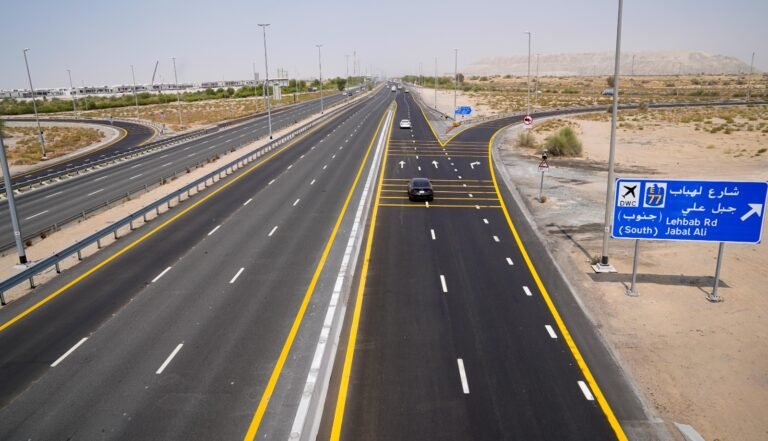
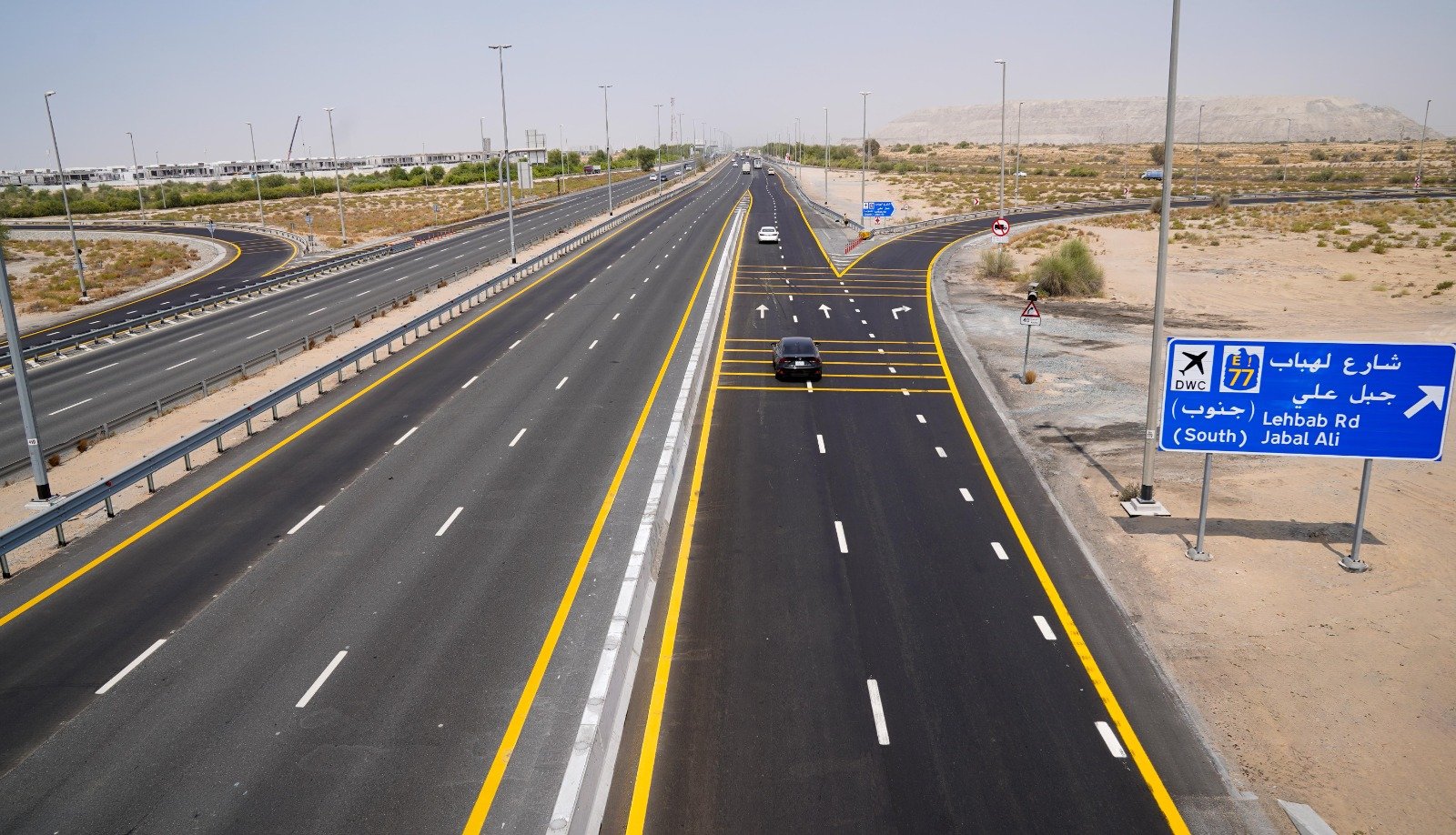
RTA has completed its annual maintenance and rehabilitation works across 20 km of asphalt highways, focusing on slow lanes along several major routes. These include Sheikh Mohammed bin Zayed Road in both directions towards Abu Dhabi and Sharjah, Lehbab Road, Dubai–Al Ain Road, Emirates Road and Al Rebat Street. For motorists moving between residential communities, business districts and neighbouring emirates, these roads are part of everyday life.
The programme also covered the free-flow lane on Lehbab Road for drivers travelling from Al Ain towards Lehbab, as well as turning lanes at the Jebel Ali–Lehbab interchange. Those details matter. Turning lanes and connecting routes are often where traffic movements become more complex, making their condition an important part of the wider road network.
Most drivers notice road maintenance when cones appear or traffic slows near a work zone. RTA’s approach begins earlier, with laser and artificial intelligence technologies used to assess road conditions and identify damage, cracks and potholes before repair teams step in.
There’s more happening than meets the eye. RTA has also adopted LiDAR technology for road asset inspections, using high-precision surveys to support preventive and predictive maintenance. Its system can assess road conditions while the inspection vehicle is moving, helping gather information without requiring traffic to stop for the survey. That’s a useful advantage on busy highways.
For motorists, the maintenance process matters just as much as the finished surface. RTA says traffic diversions during repair works are planned through detailed studies, with directional signs guiding drivers through affected sections. Its advice is straightforward: slow down near diversions, stay alert and follow the signs.
A drive from Dubai towards Sharjah, Abu Dhabi or Al Ain depends on more than the distance on the map. Road condition, lane quality and safe connections all shape the experience. With its annual programme complete, RTA’s 20 km of rehabilitated highways are a reminder that smoother journeys often begin with work most drivers never see.